Karting has a dress code, and it’s enforced at the least convenient moment possible: right before you get in the kart, after you’ve already paid. The rules exist because loose items and open shoes cause real accidents around things that spin. The good news is the code is simple, nearly universal across US tracks, and easy to nail with what’s already in your closet.
Shoes: The One Rule Nobody Escapes
Closed-toe shoes are mandatory everywhere that takes karting seriously. Sneakers or any flat athletic shoe are ideal because you get feel through the pedals, which matters more than you’d think when you’re trying to brake late without locking up. Sandals, flip-flops, slides, heels, and Crocs in sport mode will all get you stopped at the grid. A few venues keep loaner shoes behind the counter for exactly this situation, but plenty don’t, so check before you show up from the beach.
Clothes: Fitted Beats Fancy
Wear clothing that doesn’t flap. Fitted jeans or athletic pants and a t-shirt or fitted long sleeve are the standard kit. Scarves are the classic hazard and effectively banned everywhere, and the same logic applies to hoodies with long drawstrings, open flannels, and billowy sleeves, any of which can catch moving parts or simply distract you at speed. Karts also get grubby; tires throw rubber dust and outdoor tracks add genuine dirt, so leave the white linen for dinner afterward.
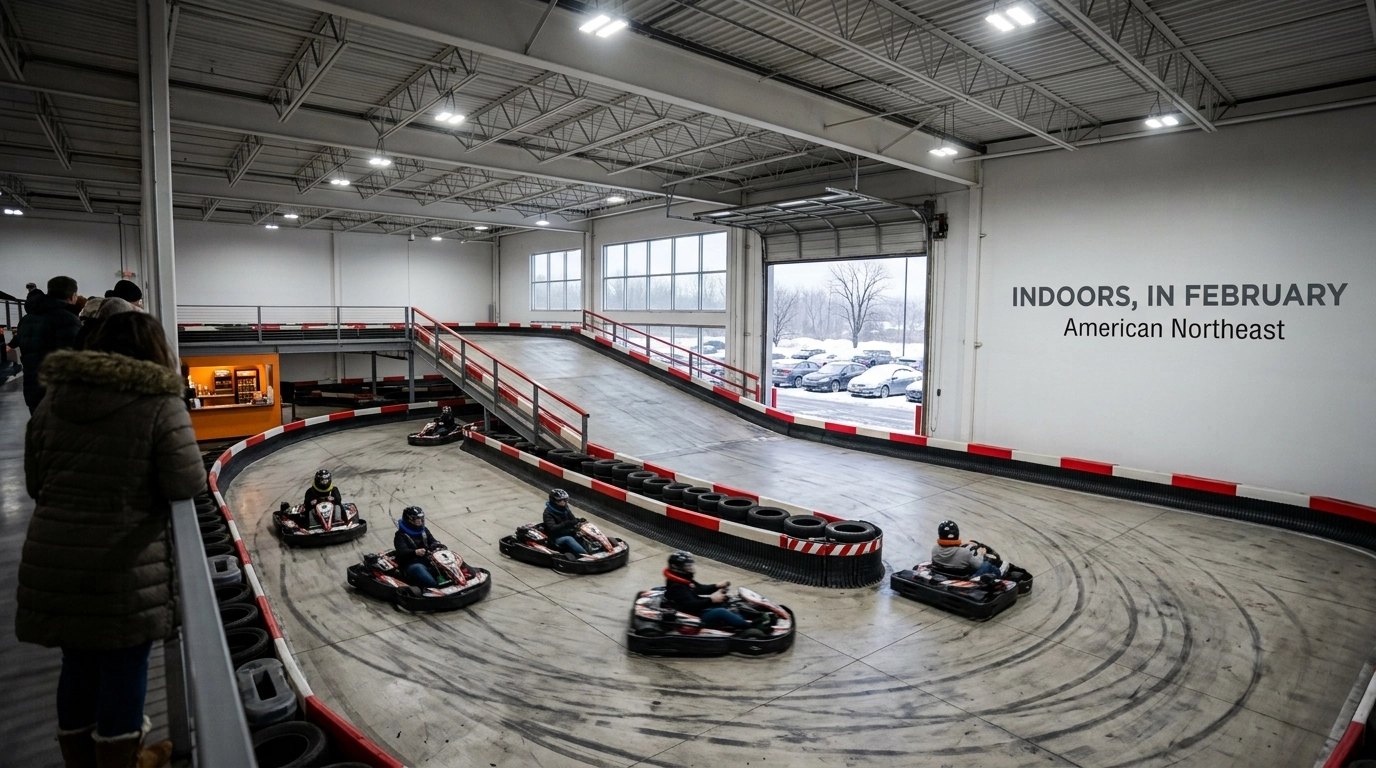
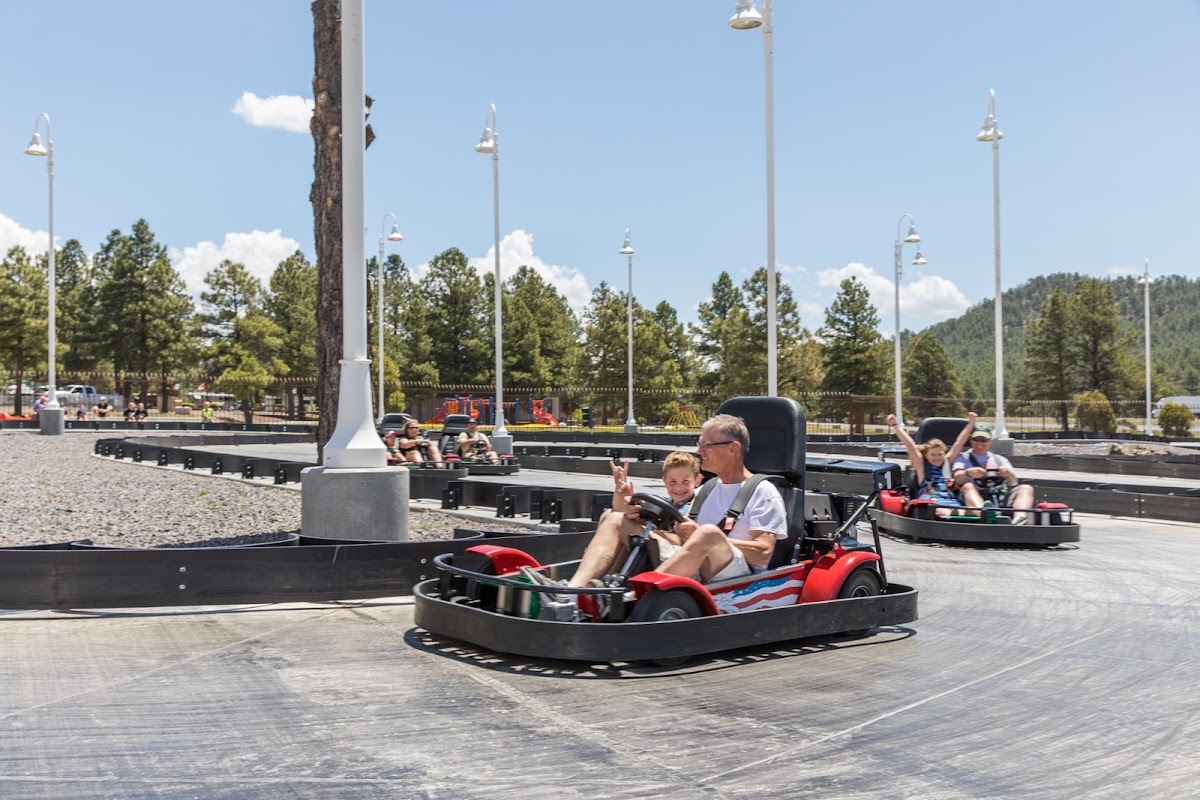
For outdoor tracks, think in layers you can shed. You’ll be warm inside the kart with a helmet on, even on a cool day, and cold standing around between sessions. Indoor venues are climate controlled, which is one reason first-timers often prefer them; our indoor vs outdoor guide breaks down the other differences.
Hair, Helmets, and Head Socks
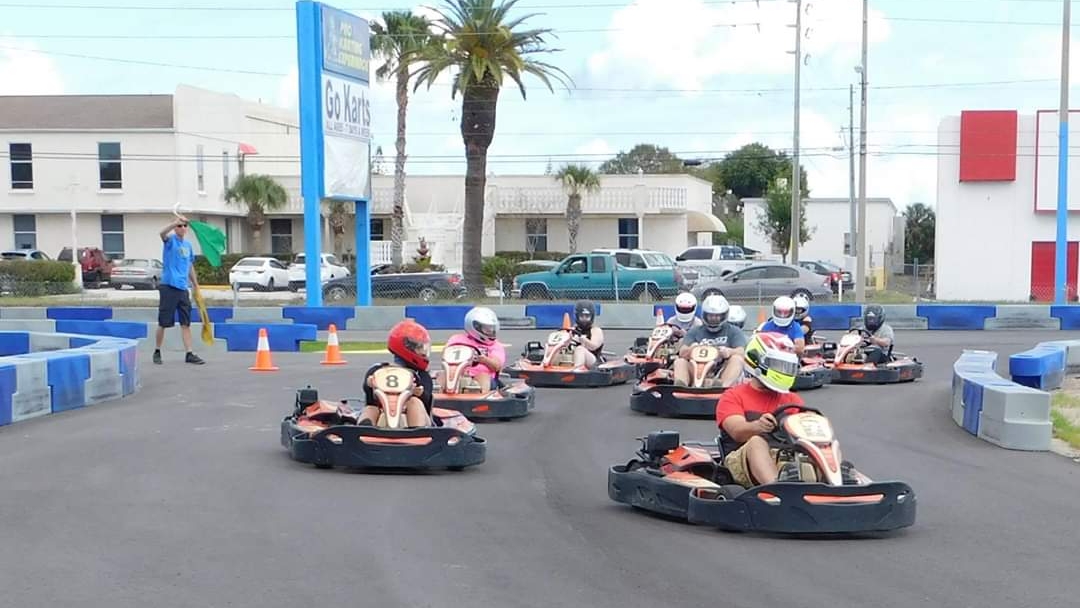
Long hair must be tied back and fully tucked away, no exceptions, and that includes long beards at some venues. Every rental track provides helmets, typically with a disposable head sock or balaclava underneath for hygiene. They work fine, but if you’re going to kart more than a couple of times a year, a personal helmet is the upgrade that changes the most: better fit, better visibility, and no wondering who wore it last. Our guide to buying your first go-kart helmet covers what to look for, and do I need my own helmet answers the should-you question honestly.
Gloves: The Cheap Upgrade
Nobody requires gloves for rental karting, but your hands will thank you. Rental wheels transmit every vibration, and a hard 20-minute session leaves many drivers with hot spots or blisters. A basic pair of karting gloves costs less than a couple of races and improves grip when your palms sweat. We’ve rounded up the best options in our karting gloves guide.
What to Leave in the Locker
Phones, keys, jewelry, smartwatches with loose bands, and anything in an open pocket should stay off the track. Most venues provide cubbies or lockers, and the ones that ban phones on the grid are doing you a favor; a phone leaving a pocket at 40 mph becomes a track hazard that stops everyone’s session. Cameras are a maybe: many tracks allow properly mounted action cameras but ban anything handheld, so ask at the counter first.
The Two-Minute Checklist
Sneakers on, hair tied, nothing loose, layers you can shed, and gloves if you have them. That’s the whole code. Sort it before you leave home and the only thing left to think about at the track is your braking point. If you’re still picking a venue, browse tracks near you in Las Vegas, Houston, or your own metro, and check how much your session should cost while you’re at it.